
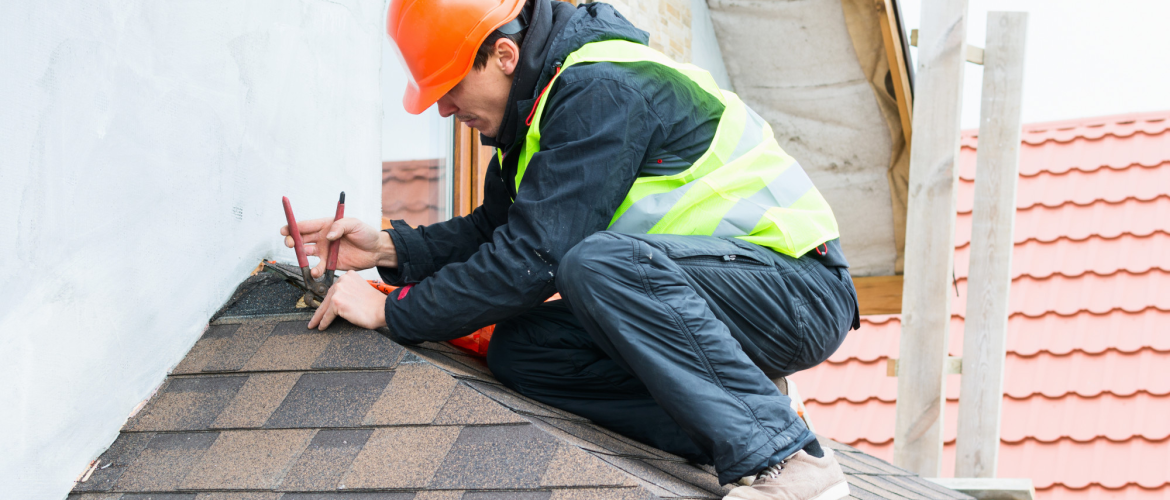
The Impact of Delaying Commercial Roof Repair on Facility Safety
Commercial buildings depend on a strong and reliable roofing system to protect people, equipment, and daily operations. When the roof begins to show signs of damage, timely attention becomes essential. However, many businesses delay necessary maintenance because the issue appears minor or because other operational priorities take precedence. Postponing repairs can gradually transform small roofing problems into serious safety risks that affect the entire facility.
Small Roof Issues Can Quickly Become Major Hazards
At first, roofing damage may seem insignificant. A minor leak, small crack, or loose flashing might not immediately interrupt business activities. Unfortunately, these small defects often expand over time. Water infiltration can spread beneath roofing materials, weakening insulation and structural components.
As moisture accumulates, ceilings and walls may begin to deteriorate. Over time, weakened materials increase the risk of sections collapsing or becoming unstable. What started as a small repair issue can evolve into a safety concern that affects employees, visitors, and valuable equipment within the building.
Increased Risk of Interior Water Damage
A delayed repair often leads to uncontrolled water intrusion. When rainwater enters the building through a compromised roof, it may travel through ceilings, electrical systems, and structural beams. This creates multiple layers of risk within the facility.
Water exposure can damage lighting systems, office equipment, and stored inventory. In industrial or warehouse environments, moisture can also affect machinery or stored products. These types of problems not only disrupt operations but also create unsafe working conditions if electrical components become exposed to water.
Businesses that seek commercial roofing repair in Denver at the earliest stage of damage can often prevent these cascading safety problems from developing.
Mold Growth and Indoor Air Quality Concerns
Moisture trapped inside roofing structures often leads to mold growth. Mold thrives in damp environments and can spread quickly through insulation and ventilation systems. Once mold begins to develop, it can impact indoor air quality throughout the building.
Poor air quality may cause respiratory irritation, allergies, or discomfort for employees and visitors. In workplaces where staff spend long hours indoors, these conditions can affect health and productivity. Addressing roof damage promptly helps reduce the likelihood of mold development and keeps the facility environment healthier for everyone inside.
Structural Weakness Over Time
Roof systems are designed to distribute weight evenly across the building structure. When water penetrates roofing layers or structural supports, the integrity of those materials can slowly decline. Wooden components may rot, metal structures can corrode, and insulation may lose its protective properties.
If these conditions remain unresolved, the roof may struggle to handle additional loads from heavy rainfall, snow, or equipment installed on the rooftop. Structural stress can increase the chance of sagging areas or sudden failure, placing everyone in the facility at risk.
Safety Risks for Maintenance and Operations Teams
Delayed roofing repairs can also create hazardous conditions for maintenance personnel who must inspect or access the roof. Damaged surfaces, weakened decking, or slippery areas caused by moisture can increase the risk of slips, falls, or accidents during routine maintenance.
Inside the building, water leaks may cause slippery floors or falling debris from ceilings. These conditions pose direct safety hazards to employees, customers, and visitors who rely on a secure environment.
Protecting Facilities Through Proactive Roof Care
Timely repair and regular inspections are key components of responsible facility management. Addressing roofing problems early helps prevent minor defects from escalating into larger safety threats. Routine evaluations allow building managers to identify hidden damage before it compromises structural stability or indoor conditions.
Investing in professional roofing assessments and repairs ultimately protects both the building and the people who rely on it every day. By prioritizing maintenance rather than delaying it, businesses can ensure that their facilities remain safe, functional, and prepared to withstand changing weather conditions and long-term operational demands.