
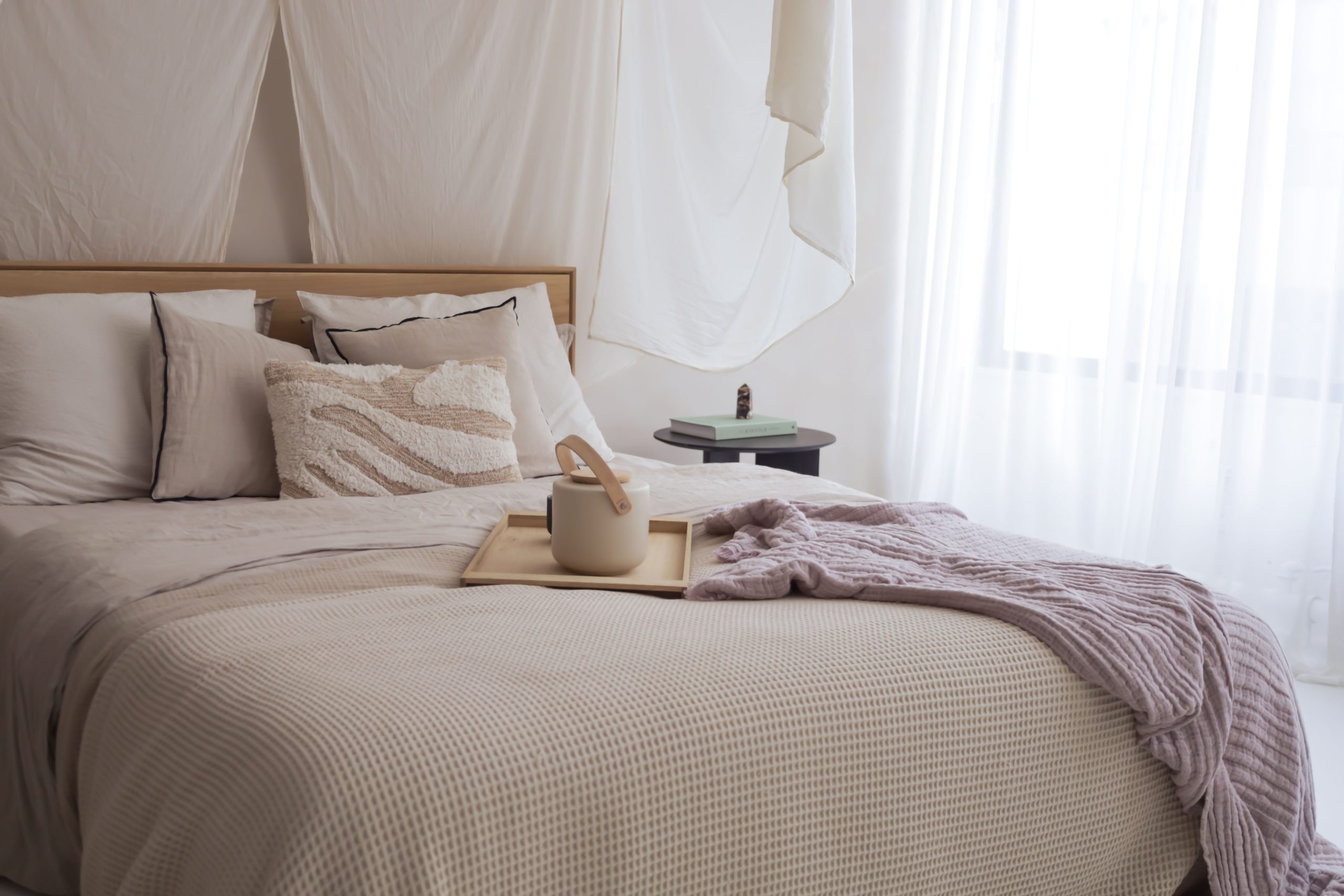
Creating Relaxing Interiors Through Simple Design Choices
The design of an interior space has a strong influence on emotional wellbeing, focus, and comfort. A relaxing home environment helps reduce stress and creates a sense of balance in everyday life. Many people assume that creating peaceful interiors requires expensive renovations or luxury furniture, but often the most effective changes are simple and thoughtful.
Relaxing interiors are built through careful attention to layout, lighting, color, and functionality. Small adjustments can completely transform the atmosphere of a room and make daily living more enjoyable.
Simplicity Creates Visual Calm
One of the easiest ways to create a relaxing interior is by embracing simplicity. Overcrowded rooms filled with excessive decoration can feel overwhelming and distracting. Simple design choices allow spaces to feel open, balanced, and comfortable.
Minimal furniture arrangements, clean surfaces, and neutral tones help reduce visual clutter. This creates a calming environment where the mind can relax more easily.
Many modern design trends discussed in startup news Australia also highlight how simplicity and functionality are becoming more important in both residential and commercial spaces.
Choosing Colors That Encourage Relaxation
Color has a significant impact on mood and atmosphere. Soft and neutral shades often create a peaceful feeling, while overly bright or contrasting colors may increase stimulation.
Natural tones such as beige, white, soft gray, and muted greens are commonly used in relaxing interiors because they create warmth without overwhelming the senses. These colors also allow natural light to spread more evenly throughout the room.
Adding subtle textures through cushions, rugs, or curtains can provide depth while maintaining a calm overall appearance.
The Role Of Natural Light
Natural light is one of the most powerful elements in interior design. Bright and airy spaces feel more open, energetic, and inviting.
Large windows, light curtains, and reflective surfaces can help maximize sunlight. Even simple changes such as rearranging furniture to avoid blocking windows can improve the atmosphere of a room.
A well lit interior supports both emotional wellbeing and productivity, making the home feel more comfortable throughout the day.

Functional Spaces Reduce Stress
Relaxing interiors are not only about appearance but also about functionality. Spaces that are difficult to navigate or poorly organized often create unnecessary frustration.
Thoughtful furniture placement and efficient storage solutions help make everyday routines easier. Functional interiors support movement, comfort, and convenience without sacrificing style.
Many Australian entrepreneurs understand the importance of organized and efficient environments because productivity and creativity often improve when spaces are clear and practical.
Incorporating Natural Elements
Natural materials and organic details can make interiors feel calmer and more connected to the outdoors. Wood textures, indoor plants, natural fabrics, and stone finishes add warmth and authenticity to a space.
Plants are especially effective because they improve air quality while introducing a sense of freshness and life. Even small additions such as fresh flowers or woven textures can make a noticeable difference.
Nature inspired interiors create balance and help reduce the cold or artificial feeling that some modern spaces can have.
Limiting Digital And Visual Distractions
Modern homes are filled with technology, but excessive digital stimulation can make it difficult to relax. Constant notifications, screens, and cluttered entertainment setups may increase stress levels without people realizing it.
Relaxing interiors benefit from creating designated spaces for rest and reflection. Bedrooms, reading corners, or quiet sitting areas should feel separate from work or entertainment spaces whenever possible.
Design ideas featured in an Australian media blog often emphasize the importance of creating balance between technology and comfort within modern homes.
Personal Touches Add Emotional Comfort
A relaxing home should reflect the personality and lifestyle of the people who live there. Personal touches create emotional connection and warmth within a space.
Artwork, meaningful objects, family photographs, and favorite books can make interiors feel more inviting. However, balance is important. Too many decorative items can create clutter rather than comfort.
Intentional decoration allows individuals to surround themselves with things that inspire calmness and positive emotion.
The Value Of Quality Over Quantity
Relaxing interiors are not created through excess. A few carefully selected pieces often have a greater impact than rooms filled with unnecessary furniture or decoration.
Comfortable seating, durable materials, and practical layouts contribute more to daily wellbeing than constantly following changing trends.
This principle is also reflected in discussions around australian business news, where sustainable and intentional choices are increasingly valued over excessive consumption and short term trends.
Seeking Professional Guidance When Needed
Designing a peaceful interior does not always require professional assistance, but guidance can sometimes help create more effective results. Interior consultants, decorators, and other Australian service providers often assist homeowners in improving functionality and comfort within their living spaces.
Professional advice can help individuals understand how to use space more effectively while maintaining their personal style and preferences.
However, even without expert help, simple and intentional changes can greatly improve the atmosphere of a home.
Conclusion
Creating relaxing interiors through simple design choices is about building spaces that support comfort, balance, and emotional wellbeing. Small changes such as reducing clutter, improving lighting, choosing calming colors, and adding natural elements can transform how a home feels. Relaxing interiors are not based on perfection or expensive decoration. They are created through thoughtful decisions that prioritize peace, functionality, and personal comfort. In a fast paced world filled with constant stimulation, having a calm and supportive living environment becomes increasingly valuable. Simple design choices can help create a home that encourages relaxation, clarity, and a better quality of daily life.