
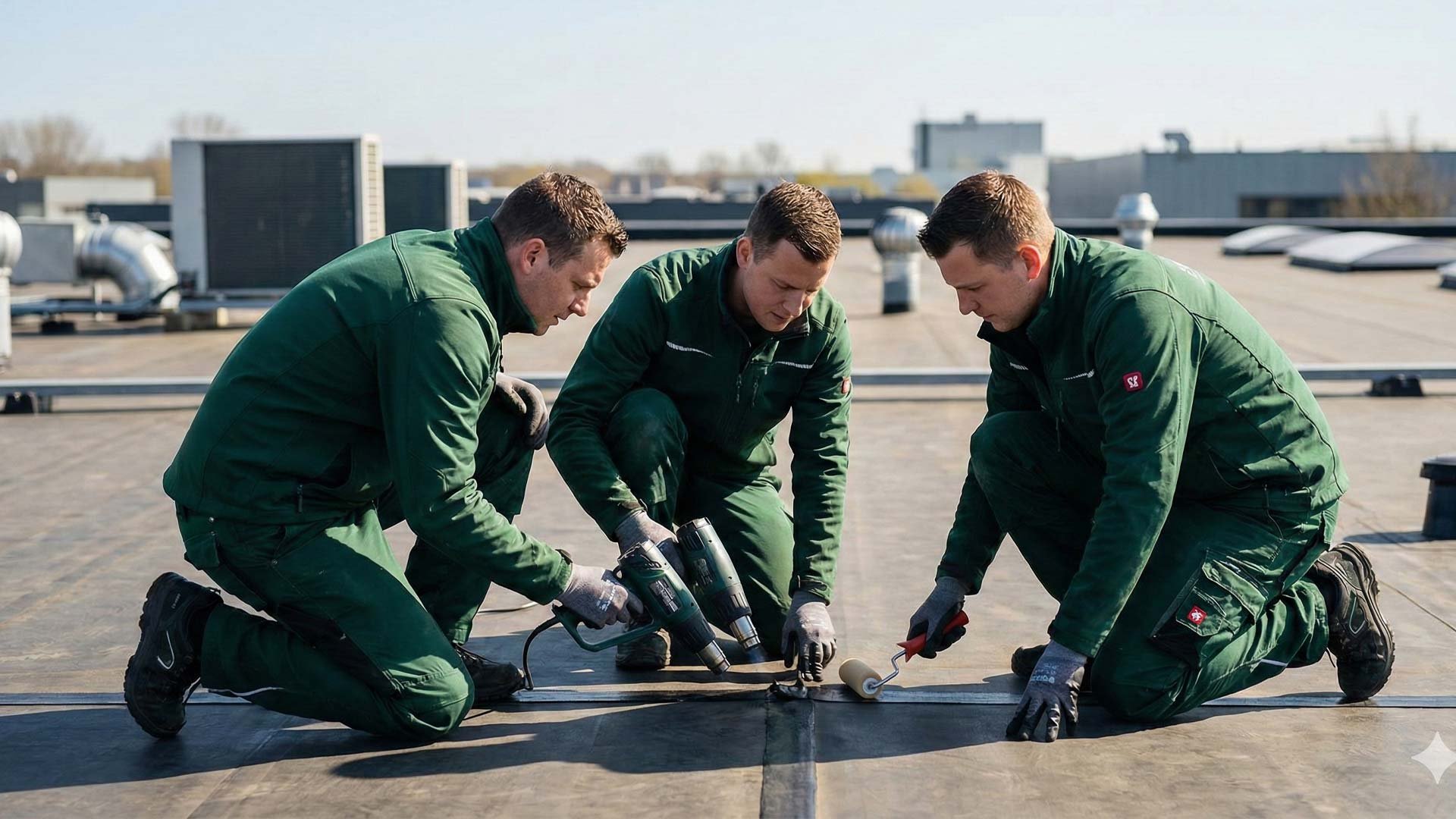
The Value Of Working With An Experienced Commercial Roof Repair Company In Denver
A commercial roof is one of the most important protective components of a business property. It shields the building, equipment, inventory, employees, and customers from changing weather conditions. In Denver, where roofs can be exposed to snow, hail, strong sunlight, wind, and significant temperature changes, even a relatively small roofing problem can become a larger concern if it is not addressed promptly.
Working with an experienced commercial roof repair company in Denver gives property owners and facility managers access to specialized knowledge, appropriate repair methods, and professional assessment. Rather than simply addressing visible damage, experienced roofers can evaluate the condition of the roofing system and determine what may have caused the problem.
Experience Helps Identify The Real Problem
Commercial roofing issues are not always easy to diagnose. A water stain inside a building may appear far away from the actual point where moisture entered the roofing system. Water can travel beneath membranes, along structural components, or through insulation before becoming visible indoors.
Experienced commercial roofing professionals understand these patterns. They can inspect flashing, seams, drainage areas, penetrations, membranes, and other vulnerable sections of the roof. This detailed approach can help identify the source of a leak instead of repeatedly repairing only the visible symptoms.
Accurate diagnosis is particularly valuable for larger commercial properties, where unnecessary repairs can increase maintenance expenses without resolving the underlying issue.
Familiarity With Different Commercial Roofing Systems
Commercial buildings can use a variety of roofing materials and systems. Flat and low-slope roofs often require different repair techniques from traditional pitched roofs. Depending on the property, roofing systems may include TPO, EPDM, modified bitumen, metal, coatings, or other commercial materials.
An experienced contractor is more likely to comprehend the special features of these systems. The correct repair technique depends on factors such as the roofing material, age of the system, extent of deterioration, and location of the damage.
Using suitable materials and repair procedures can also help maintain the overall performance of the existing roof.
Denver Weather Creates Unique Roofing Challenges
Denver’s climate can place considerable stress on commercial roofing systems. Hail can damage roofing surfaces, while snow accumulation and freeze-thaw cycles may expose existing weaknesses. Strong sunshine and temperature fluctuations can also contribute to the gradual deterioration of roofing materials.
Local experience is therefore valuable. Contractors familiar with Denver conditions understand the types of damage commonly associated with regional weather patterns. They can look for signs that may be overlooked by someone unfamiliar with the area’s climate.
Following major storms, professional inspections can also help property owners identify damage that may not be immediately visible from ground level.
Timely Repairs Can Control Long-Term Costs
Postponing roof repairs can turn manageable problems into more expensive projects. A small opening in a membrane, damaged flashing, or compromised seam may allow water to enter the roofing assembly. Over time, moisture can affect insulation, ceilings, interior finishes, and other building components.
Prompt professional attention can limit the affected area and potentially reduce the amount of work required. This is particularly important for commercial properties because roofing problems may also interfere with normal business activities.
Preventive maintenance combined with timely repairs can help property managers plan roofing expenses more effectively rather than dealing primarily with unexpected emergencies.
Protecting Daily Business Operations
Roofing problems affect more than the physical structure. A serious leak may force a business to relocate employees, protect merchandise, close part of a facility, or interrupt customer access. For warehouses and manufacturing facilities, water intrusion may also threaten machinery or stored products.
Experienced commercial roofing companies understand that minimizing disruption is an important part of the repair process. Proper planning, clear communication, and efficient work practices can help repairs move forward while allowing the business to maintain normal operations whenever possible.
Better Decisions About Repair And Replacement
Not every damaged commercial roof needs to be replaced. At the same time, continuously repairing a roofing system that has reached the end of its practical service life may not be financially sensible.
An experienced contractor can help assess the overall condition of the roof and explain available options. Factors such as the roof’s age, repair history, moisture damage, recurring leaks, and extent of deterioration can influence whether targeted repair, restoration, or eventual replacement should be considered.
Having accurate information enables property owners to make choices based on the building’s status rather than responding to specific issues as they arise.
Supporting The Long-Term Performance Of The Building
Commercial roofing should be viewed as an ongoing property management responsibility rather than something that receives attention only when a leak develops. Regular inspections, maintenance, and professional repairs can help preserve the roof and identify developing concerns earlier.
Working with an experienced commercial roof repair company in Denver can also create continuity. A contractor familiar with a property’s roofing history may be better positioned to monitor recurring issues and recommend appropriate maintenance over time.
For Denver businesses, investing in experienced commercial roof repair services is ultimately about protecting more than the roof itself. Professional assessment and timely repairs can help protect the building, control avoidable costs, reduce operational interruptions, and support the long-term performance of an important commercial asset.