
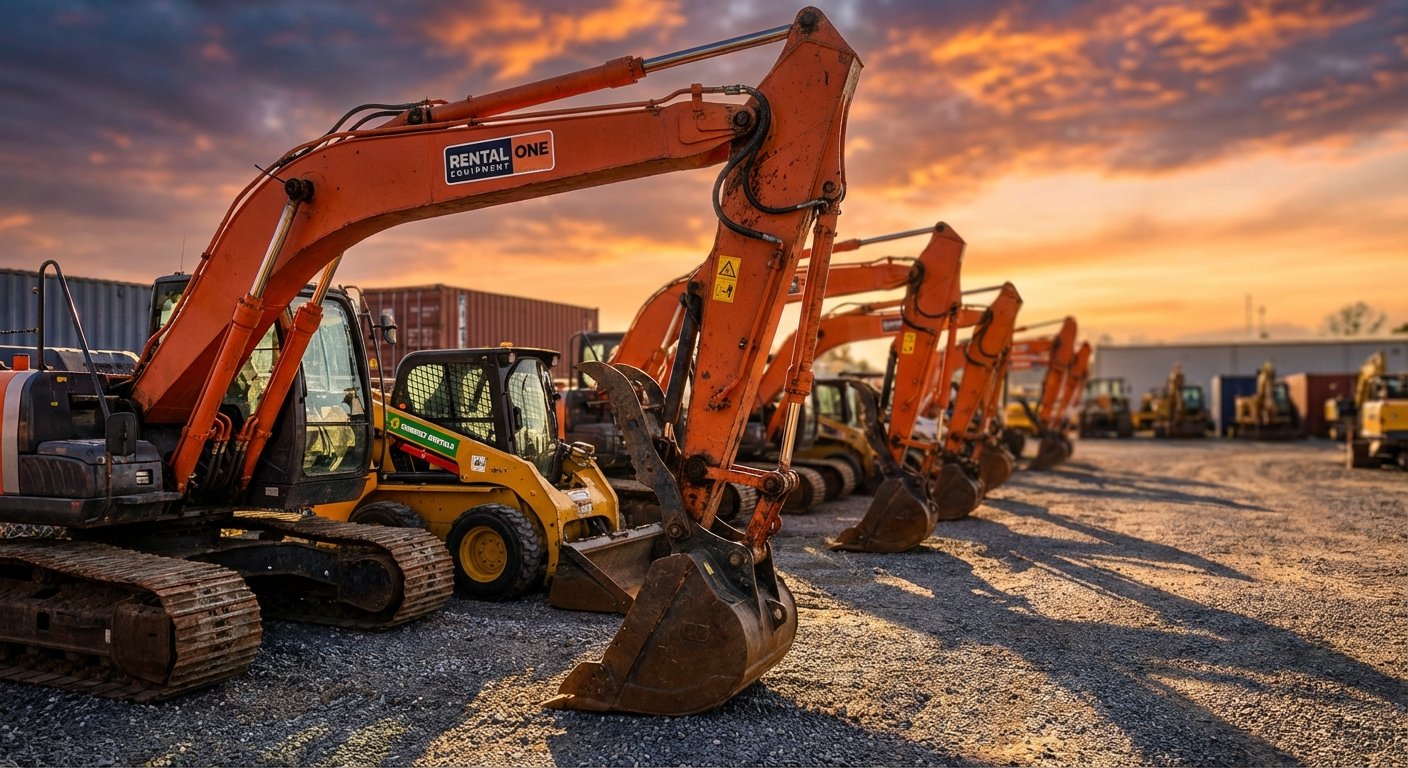
Avoiding Costly Downtime With Dependable Heavy Equipment Rental Services
Construction projects depend on careful planning, skilled workers, and reliable machinery to maintain steady progress. Whether contractors are preparing land, excavating foundations, or transporting heavy materials, equipment availability directly influences productivity. Unexpected machinery failures, delayed deliveries, and maintenance problems can interrupt operations and increase project expenses. This makes dependable heavy equipment rental services an important consideration for construction companies seeking greater efficiency and operational flexibility.
Renting construction machinery allows contractors to access equipment without making substantial investments in ownership. However, choosing the right rental provider is equally important. Reliable equipment, responsive support, and flexible rental arrangements can help construction teams avoid unnecessary downtime and complete projects within their planned schedules.
Understanding the Impact of Equipment Downtime
Equipment downtime occurs when machinery becomes unavailable or cannot perform its intended function. On construction sites, even a temporary interruption can affect multiple activities. For example, an excavator breakdown may delay foundation preparation, preventing other workers from completing their assigned tasks.
These disruptions can create additional expenses through idle labor, extended equipment rentals, and adjustments to project schedules. Contractors may also face difficulties coordinating material deliveries and subcontractors when essential machinery is unavailable.
Dependable rental services help reduce these risks by providing properly maintained equipment and responsive assistance. When machinery performs consistently, construction teams can focus on completing their work rather than managing unexpected operational problems.
Choosing Well-Maintained Construction Equipment
Equipment condition plays a significant role in preventing interruptions during construction activities. Machinery that receives regular inspections and appropriate maintenance is generally better positioned to handle demanding working conditions.
Before finalizing a rental agreement, contractors should evaluate the equipment’s overall condition, maintenance history, and suitability for the intended application. Important components such as hydraulic systems, engines, tires, and operating controls should be inspected for visible problems.
A professional heavy equipment rental provider should be able to explain its maintenance procedures and address concerns about equipment reliability. Contractors should also understand the process for reporting mechanical problems and requesting assistance during the rental period.
Selecting properly maintained machinery supports safer operations while reducing the likelihood of unexpected breakdowns.
Matching Equipment to Specific Project Requirements
Using the wrong machinery can create operational inefficiencies and increase the possibility of equipment damage. Depending on the topography, the amount of materials needed, the amount of workspace available, and the complexity of the project, each construction project has unique requirements.
For instance, excavators are commonly used for digging and trenching, while wheel loaders assist with moving loose materials. Compactors support soil preparation, and articulated haulers transport materials across challenging terrain.
Contractors should carefully assess their project requirements before selecting rental machinery. Choosing equipment with appropriate operating capacity, attachments, and maneuverability can improve productivity while minimizing unnecessary strain on machines.
Ensuring Timely Equipment Delivery and Availability
Construction schedules often involve multiple activities that must occur in a particular sequence. Delayed equipment delivery can disrupt these arrangements and create problems for contractors managing tight deadlines.
A dependable rental service should provide clear information about machinery availability, transportation arrangements, and expected delivery schedules. Contractors can improve coordination by reserving equipment early and communicating their project timelines.
It is also important to discuss rental extensions before starting work. Unexpected weather conditions, changes in project scope, or additional excavation requirements may extend equipment usage beyond the original schedule.
Flexible rental arrangements help construction businesses respond to changing circumstances without immediately committing to additional machinery purchases.
Accessing Technical Support When Problems Arise
Even properly maintained equipment can experience mechanical difficulties under demanding conditions. Access to knowledgeable technical support becomes especially valuable when unexpected problems occur.
Rental providers offering maintenance assistance, repair services, and replacement equipment options can help contractors respond more effectively to interruptions. Understanding service response procedures before signing a rental agreement can prevent confusion during emergencies.
Operators should also receive appropriate training and follow recommended operating procedures. Daily equipment inspections, fluid checks, and prompt reporting of unusual noises or performance changes can help identify potential problems before they become serious.
Improving Budget Control Through Equipment Rentals
Purchasing heavy construction machinery involves expenses beyond the initial investment. Storage, insurance, repairs, depreciation, and ongoing maintenance can place additional pressure on construction budgets.
Heavy equipment rental offers an alternative for contractors who need specialized machinery for temporary assignments or changing workloads. Renting allows businesses to select equipment according to current project demands without maintaining an unnecessarily large permanent fleet.
However, contractors should carefully review rental pricing, transportation charges, fuel requirements, damage responsibilities, and potential extension fees. Understanding these expenses helps businesses prepare realistic budgets and avoid unexpected costs.
Building Long-Term Relationships With Reliable Rental Providers
Establishing a relationship with a dependable equipment rental company can simplify future construction planning. Providers familiar with a contractor’s typical projects may offer more relevant equipment recommendations and help coordinate machinery requirements.
Consistent communication also makes it easier to discuss upcoming projects, seasonal equipment demand, and maintenance expectations. A reliable rental partnership supports better planning and helps contractors respond efficiently when additional machinery becomes necessary.
Conclusion
Avoiding costly downtime requires more than simply having construction equipment available. Contractors must prioritize machinery condition, equipment suitability, timely delivery, technical support, and clear rental agreements.
Dependable heavy equipment rental services can help construction companies maintain productivity, control operational expenses, and adapt to changing project requirements. By selecting reliable rental partners and planning equipment needs carefully, contractors can reduce unnecessary interruptions and keep construction projects progressing toward successful completion.