
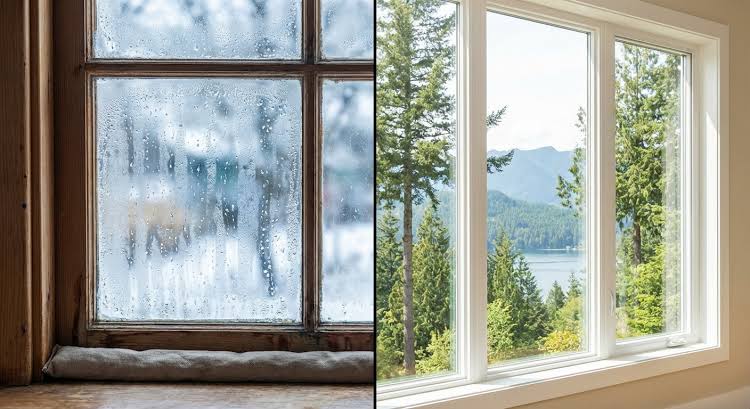
Silent Energy Loss: What Damaged Windows Could Be Costing You
From a distance, your windows may look fine, but damage that you can’t see could be quietly raising your home costs. A small hole around the frame, worn-out weatherstripping, or a broken glass seal can let conditioned air escape without making a clear issue. Over time, these problems that don’t seem important can make heating and cooling systems work harder, which uses more energy and makes the inside less comfortable. Knowing how broken windows cause energy loss can help homeowners find problems early and avoid spending money they don’t need to.
How Damaged Windows Contribute to Energy Waste
Windows serve as an important barrier between indoor living spaces and outdoor weather conditions. When their components begin to deteriorate, they can lose some of their ability to maintain comfortable indoor temperatures.
For instance, weatherstripping that is worn down can leave gaps that let outside air in. In the winter, these gaps may let warm air inside escape. In the summer, higher temperatures can make cooling systems work harder to keep the right temperature.
The problem becomes more noticeable when several windows develop similar defects. Even small amounts of air leakage across multiple openings can contribute to significant energy waste throughout the year.
The Hidden Cost of Failing Window Seals
Modern insulated windows often contain two or more glass panes separated by a sealed space filled with air or insulating gas. This construction helps reduce heat transfer and improves thermal performance.
However, these seals can deteriorate because of aging, temperature fluctuations, manufacturing defects, or prolonged exposure to moisture.
When an insulated glass seal fails, condensation may develop between the panes. This moisture is often mistaken for ordinary surface condensation, but it indicates that the sealed glass unit has lost its integrity.
A failed seal does not automatically mean the entire window needs replacement. Depending on the condition of the frame and surrounding components, replacing the insulated glass unit may restore much of the window’s original performance.
Why Window Frame Damage Deserves Attention
Window frames are frequently overlooked when homeowners investigate energy efficiency problems. However, damaged frames can create air leakage pathways and allow moisture to enter surrounding building materials.
Wooden frames may develop rot after repeated exposure to rainwater, while other frame materials can experience warping, movement, or deterioration at joints.
Professional repair services, including Arax Windows Work, can be relevant when homeowners are evaluating damaged frames, faulty hardware, and other window performance concerns.
Repairing structural defects early may prevent additional deterioration and help preserve the existing window installation.
How Air Leaks Affect Heating and Cooling Expenses
Air leakage creates an additional workload for residential heating and cooling equipment. When conditioned air escapes through damaged windows, the HVAC system must compensate for the temperature difference.
Consider a bedroom with a poorly sealed window. During colder months, cool outdoor air may enter around the frame, making the room feel uncomfortable even when the thermostat indicates an appropriate temperature.
Homeowners may respond by increasing the heating setting, which raises energy consumption without addressing the underlying problem.
A similar situation occurs during summer when warm outdoor air enters cooled spaces. Identifying and sealing unwanted openings can improve comfort while reducing unnecessary HVAC operation.
The Connection Between Window Damage and Indoor Moisture
Energy efficiency is not the only concern associated with damaged windows. Moisture intrusion can create additional expenses that are not immediately visible.
Water entering through deteriorated seals or frame joints may reach drywall, insulation, or wooden structural components. Over time, persistent dampness can encourage mold growth and material deterioration.
Wet insulation may also perform less effectively, allowing additional heat transfer through surrounding wall assemblies.
Addressing moisture problems therefore protects more than the window itself. It can help preserve nearby building materials and prevent repairs from becoming more complicated.
Repairing Windows Instead of Replacing Them
Homeowners sometimes assume that declining window performance requires complete replacement. However, many problems involve individual components that can be repaired.
Damaged weatherstripping, loose hardware, deteriorated glazing components, and certain frame defects may be repairable without removing the entire window assembly.
The appropriate solution depends on the window’s age, construction, overall condition, and extent of damage.
A professional inspection can help determine whether targeted repairs offer a practical solution or whether replacement would provide better long-term value.
Simple Ways to Identify Hidden Window Problems
Regular inspections can reveal problems before they substantially affect household energy consumption.
Homeowners should examine window edges for visible gaps, check whether movable sections close securely, and look for condensation trapped between glass panes.
Peeling paint, water stains, soft wooden surfaces, and noticeable drafts can also indicate developing problems.
Checking windows during seasonal temperature changes is particularly useful because differences between indoor and outdoor conditions can make air leakage easier to detect.
Conclusion
Damaged windows can quietly affect household energy expenses, indoor comfort, and the condition of surrounding building materials. Problems such as failing seals, deteriorating frames, and unwanted air leakage may appear minor individually but become costly when ignored. Regular inspections and timely repairs can help homeowners maintain window performance, reduce avoidable energy waste, and protect their property without automatically investing in complete window replacements.