
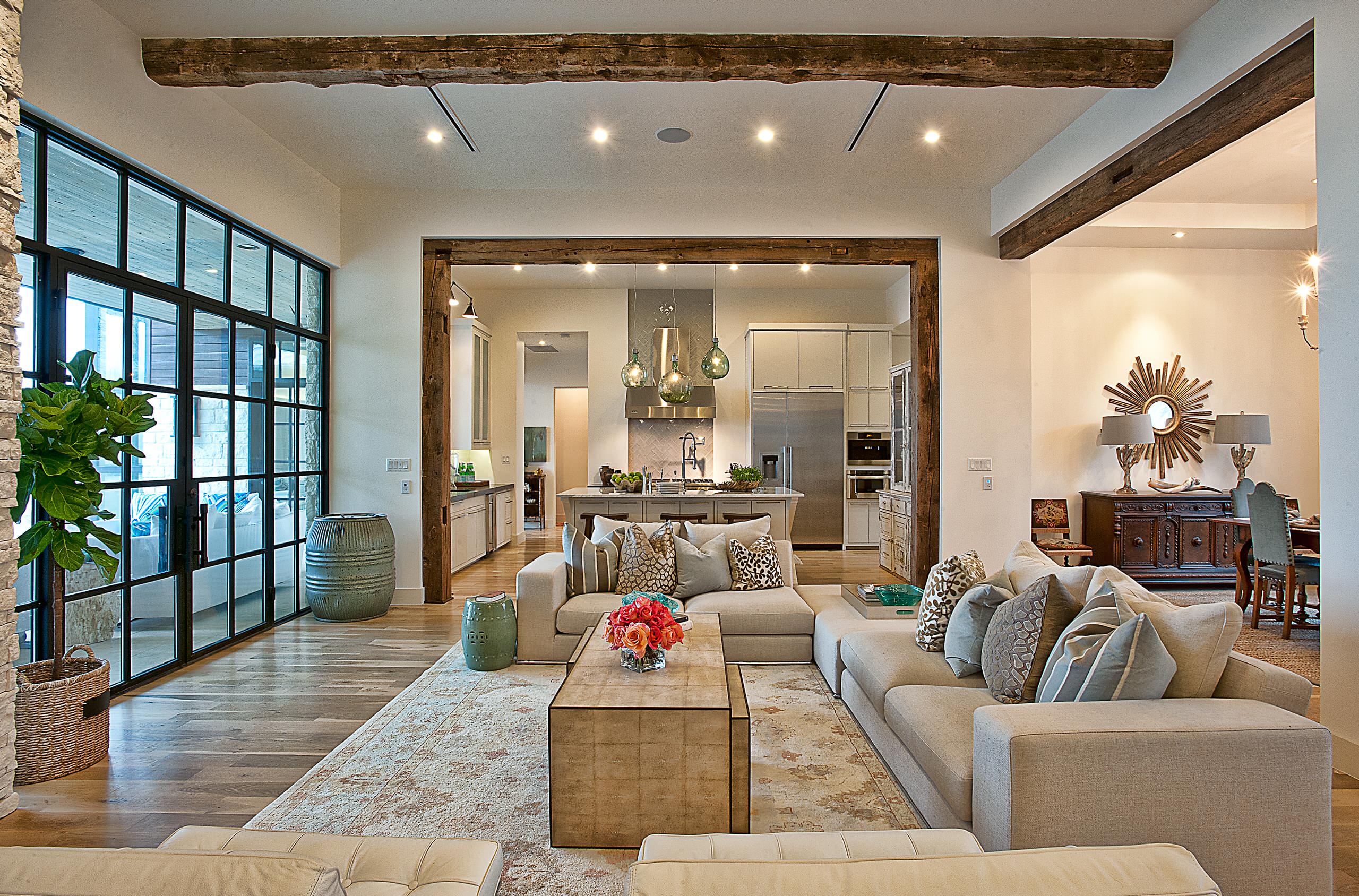
Experimenting With Layouts To Improve Daily Home Functionality
A well designed home is not only about appearance. The layout of a space has a major impact on comfort, productivity, and the ease of daily living. Even beautiful interiors can feel frustrating if the arrangement does not support practical movement and functionality.
Experimenting with layouts allows homeowners to discover what works best for their lifestyle. Small changes in furniture placement, storage organization, or room usage can completely transform the way a home feels and functions.
Functional layouts improve efficiency, reduce stress, and create a more balanced living environment.
Understanding How Movement Shapes Daily Living?
One of the most important aspects of home functionality is movement. The way people move through a room affects convenience and comfort throughout the day.
When furniture blocks pathways or rooms feel overcrowded, daily tasks become more tiring. Rearranging layouts to create open flow improves accessibility and makes spaces feel larger and calmer.
Modern discussions around education news Australia often highlight how environments influence concentration and productivity. Similar principles apply within the home, where thoughtful layouts can improve focus, organization, and emotional wellbeing.
Creating Spaces That Match Lifestyle Needs
Every household functions differently, which means layouts should be adapted to individual lifestyles rather than fixed design trends.
Families may need open communal spaces for interaction, while remote workers may require quiet and organized work areas. Flexible layouts make it easier to balance different activities within the same home.
Experimenting with room arrangements helps homeowners understand how each area can better support daily routines. The goal is to create spaces that feel natural and practical instead of visually crowded.
The Importance Of Multifunctional Areas
Modern homes often need to serve multiple purposes. Living rooms may become workspaces, dining areas may double as study zones, and bedrooms may include relaxation corners.
Multifunctional layouts increase efficiency without requiring larger homes. Rearranging furniture, adding movable storage, or creating adaptable zones can maximize functionality in limited space.
Many of the best businesses Australia focus on practical design and innovation because they understand that flexibility has become essential in modern living environments.
Homes designed with adaptability in mind are better suited to changing lifestyles and future needs.
Lighting And Layout Work Together
A functional layout should always consider lighting. Natural light improves mood, productivity, and the overall atmosphere of a home.
Furniture placement can either block or enhance light flow. Rearranging seating, desks, or decorative items near windows often makes rooms feel brighter and more inviting.
Artificial lighting also affects functionality. Workspaces require focused lighting, while relaxation areas benefit from softer illumination. Experimenting with lighting placement alongside layout adjustments can dramatically improve how a room feels and functions.
Reducing Clutter Through Smarter Arrangement
Clutter is one of the biggest obstacles to home functionality. Even spacious homes can feel stressful when items are poorly organized.
Experimenting with layouts often reveals opportunities for better storage and cleaner organization. Shelves, hidden storage, and strategic furniture placement help reduce visual clutter while improving usability.
Current lifestyle trends discussed in Melbourne news today frequently reflect growing interest in minimalist and organized interiors because people increasingly value calm and practical living spaces.
A clutter free environment supports mental clarity and makes everyday tasks more manageable.
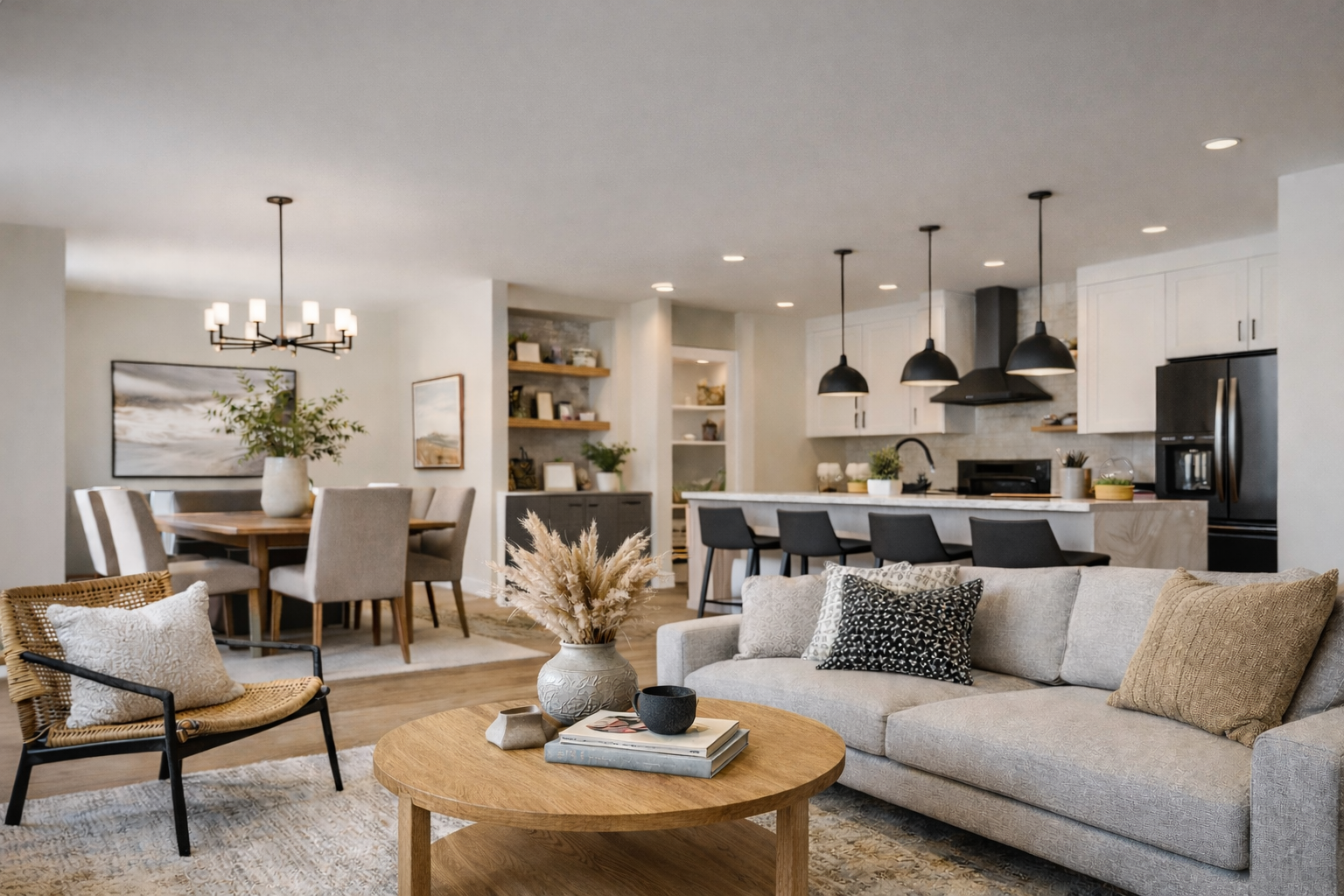
Designing For Comfort And Human Connection
Home layouts should encourage comfort and social interaction. Seating arrangements, dining areas, and open spaces influence how people connect with each other inside the home.
For example, positioning furniture to encourage conversation creates warmer and more welcoming spaces. Open layouts can also improve communication and connection among family members.
Observing the lifestyles and habits of the people of Sydney or other busy urban communities demonstrates how modern living spaces are increasingly designed around both efficiency and human interaction.
Comfort and connection are just as important as appearance when designing functional interiors.
The Influence Of Urban Living On Home Design
Urban environments often require creative approaches to layout planning because space is more limited. Apartments and compact homes must balance functionality with comfort.
This challenge has inspired innovative solutions such as modular furniture, vertical storage, and open concept layouts. These ideas are shaping the future of urban Australia lifestyle trends, where practical design is becoming more valuable than excessive decoration.
Experimenting with layouts helps individuals maximize available space while maintaining a sense of openness and calm.
Flexibility Encourages Long Term Functionality
One of the most important benefits of experimenting with layouts is flexibility. As lifestyles change, homes should adapt accordingly.
Children grow older, work habits shift, and personal preferences evolve over time. A layout that works today may not be ideal in the future. Being willing to rearrange and rethink spaces ensures that the home continues supporting daily life effectively.
Flexible layouts also encourage creativity. They allow homeowners to refresh their environment without major renovations or expenses.
Small Changes Can Create Big Results
Improving home functionality does not always require dramatic redesigns. Sometimes small adjustments create the biggest impact.
Moving a table closer to natural light, changing the direction of seating, or clearing unnecessary items can instantly improve comfort and efficiency. Experimentation allows people to discover practical solutions that fit their personal routines.
The process itself also encourages awareness about how living spaces influence mood, productivity, and overall wellbeing.
Conclusion
Experimenting with layouts to improve daily home functionality is about creating spaces that support real life rather than simply following design trends. Thoughtful arrangements improve movement, comfort, organization, and emotional balance within the home. By adapting layouts to lifestyle needs, reducing clutter, and maximizing available space, homeowners can create environments that feel more practical and enjoyable every day. In modern living, functionality has become just as important as style. A home that supports comfort, flexibility, and ease of use ultimately creates a more peaceful and balanced daily experience.